|
Sea Turtles |
Sea
Turtle, Inc.
|
||||||||||||||
|
|||||||||||||||
|---|---|---|---|---|---|---|---|---|---|---|---|---|---|---|---|
| Description | |||||||||||||||
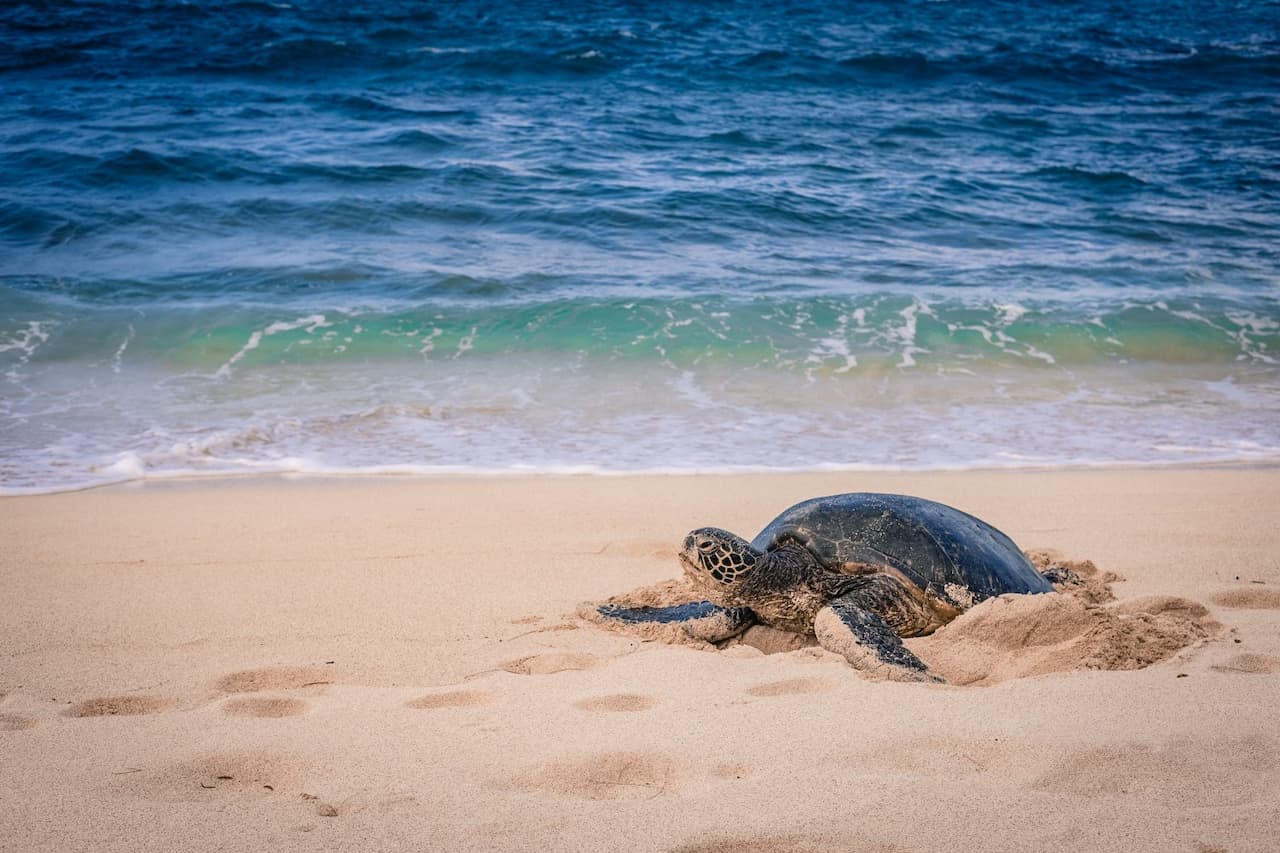
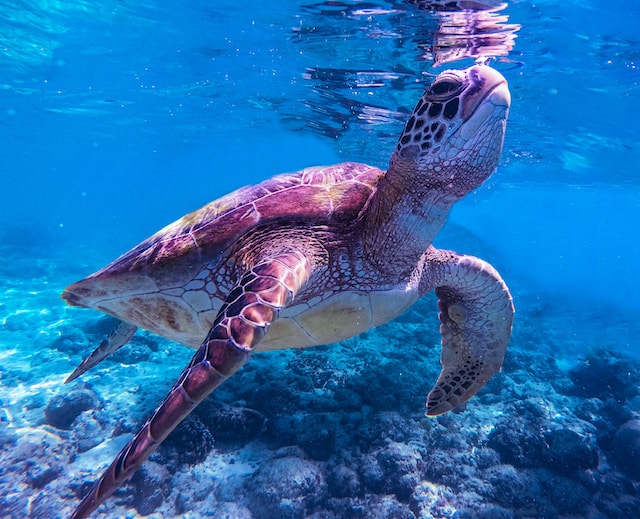
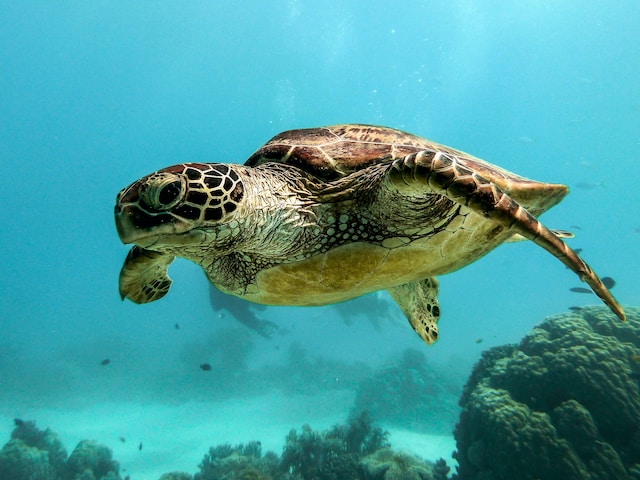
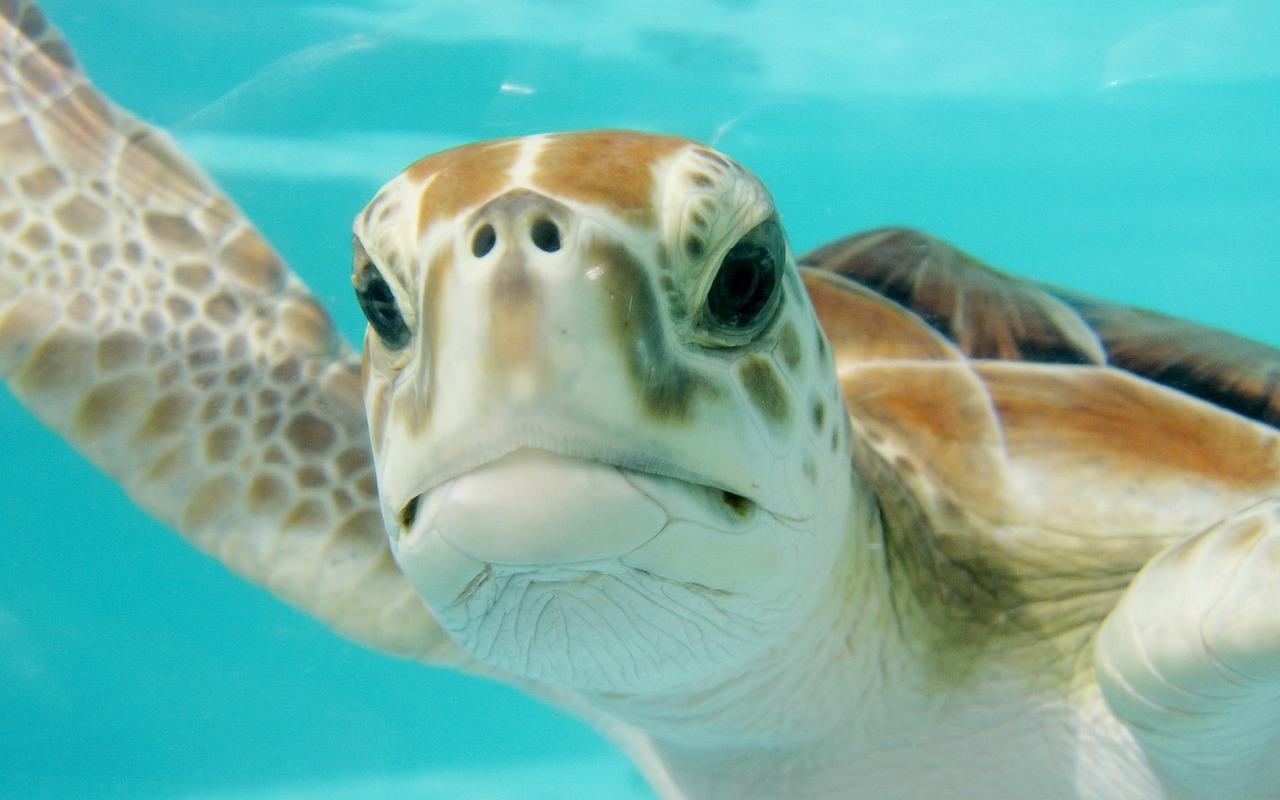
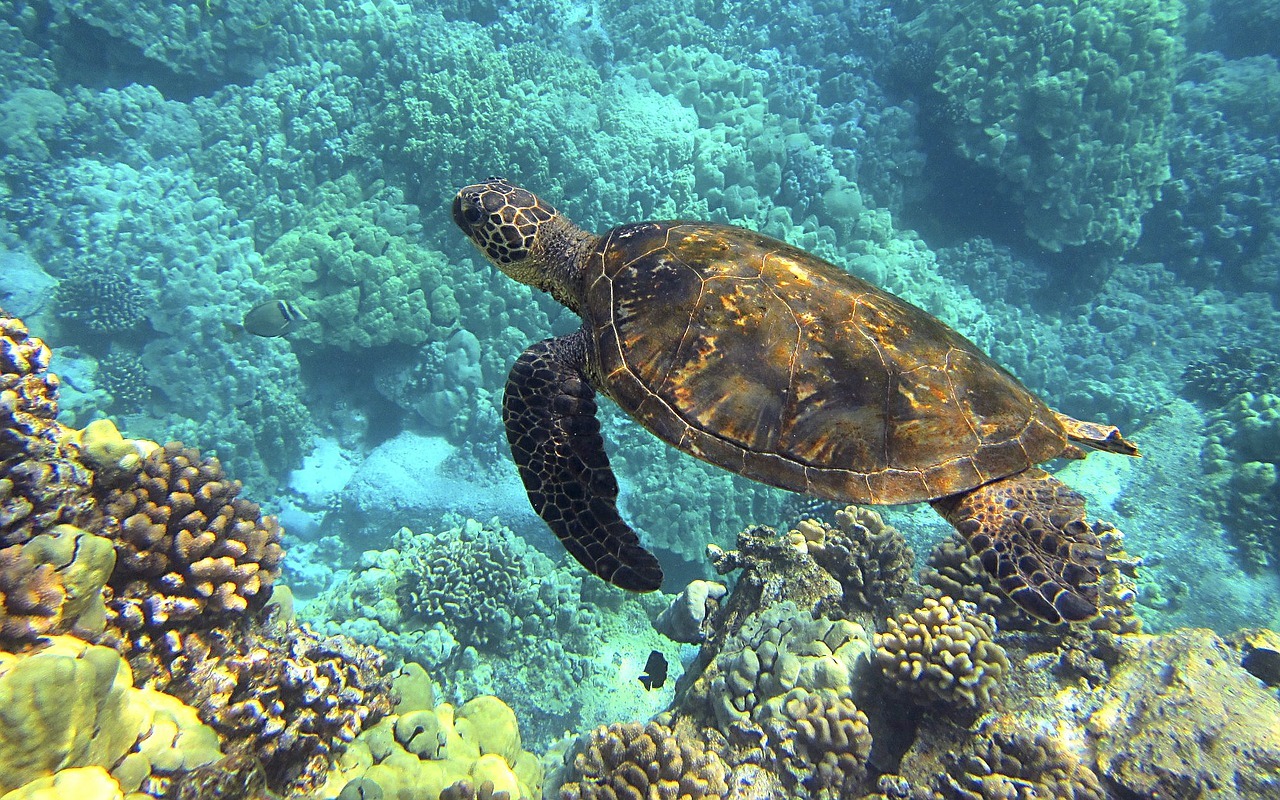
| This turtle's common name is derived from the almost black coloration of it's shell. The upper shell (carapace) is dramatically tear-drop shaped and steep sided. The narrow part of the teardrop is toward the tail end of the turtle. The lower shell (plastron) is generally dark gray or gray-green. At one time, the black turtle was considered to be a race of the green sea turtle. Some experts continue to list it as such. Like green sea turtles, this species has a single pair of enlarged prefrontal scales on the head. The head size is comparatively smaller than that of green sea turtles. There are four costal scutes on the carapace. Adult black turtles weigh as much as 220 pounds (100 kilograms) and measure up to 39 inches (100 centimeters) in carapace length. | |||||||||||||||
| Habitat and Distribution | |||||||||||||||
|
This turtle is found primarily in coastal waters, bays and estuaries in tropical and subtropical latitudes. Iverson (1992) lists the distribution of this turtle in the eastern Pacific Ocean from southern California, USA to Chile, west to the Galapagos Islands, Hawaii and Papua New Guinea. According to Alvarado and Figueroa (1986) the primary nesting beaches of Mexico include: Colola, Maruata, Mexiquillo, Chimapa, and Motin de Oro.
|
|||||||||||||||
| General Information | |||||||||||||||
| Present population estimates vary from 5,000 to 10,000 individuals. This turtle feeds primarily on marine algae. Like most sea turtles, it nests at night. A typical clutch is approximately 70 eggs. The average female produces 2.5 nests per season. Renesting intervals range from 9-17 days. The eggs typically incubate from 50 to 55 days prior to hatching. Nest sites are usually on wide beaches in coves surrounded by rocky granite cliffs. Nesting lasts about 45 minutes to 1 hours. This includes selecting a site, digging, egg laying and covering the eggs with sand. Both black and green sea turtles may dig several nests before laying a clutch of eggs. Sexually maturity is probably attained between 16 to 25 years of age in this species. Studies conducted in Michoacan on the nests of black sea turtles reveal that nest temperatures below 27.1°C produced 0 percent females while temperatures of 31°C or higher produced only females. Temperature dependent sex determination (Bull,1980) is comparatively well defined in many sea turtle populations today. | |||||||||||||||
| Current Threats and Historic Reasons for Decline | |||||||||||||||
| Although this turtle enjoys a protected status in the Galapagus Islands, some portions of this population are nesting in coastal Ecuador where they are being exploited. In Mexico, despite laws to protect them, the turtles continue to be captured and sold by local Nahuatal people on the black market. According to Alvarado and Figueroa (1986) offshore poaching with shark gill nets and incidental capture in shrimp trawls are the main factors contributing to this species decline. In the 1960s, turtle hide hunting intensified in Mexico as a result of a ban on the export of crocodile skins to the international markers. The black turtle is known to hibernate in the Northern Gulf of California where it is consumed by the indigenous Seri India population. | |||||||||||||||
|
|||||||||||||||
![]()
Another project by Web-Magik.com |
|||||||||||||||