|
Sea Turtles |
Sea
Turtle, Inc.
|
||||||||||||||
|
|||||||||||||||
|---|---|---|---|---|---|---|---|---|---|---|---|---|---|---|---|
| Description | |||||||||||||||
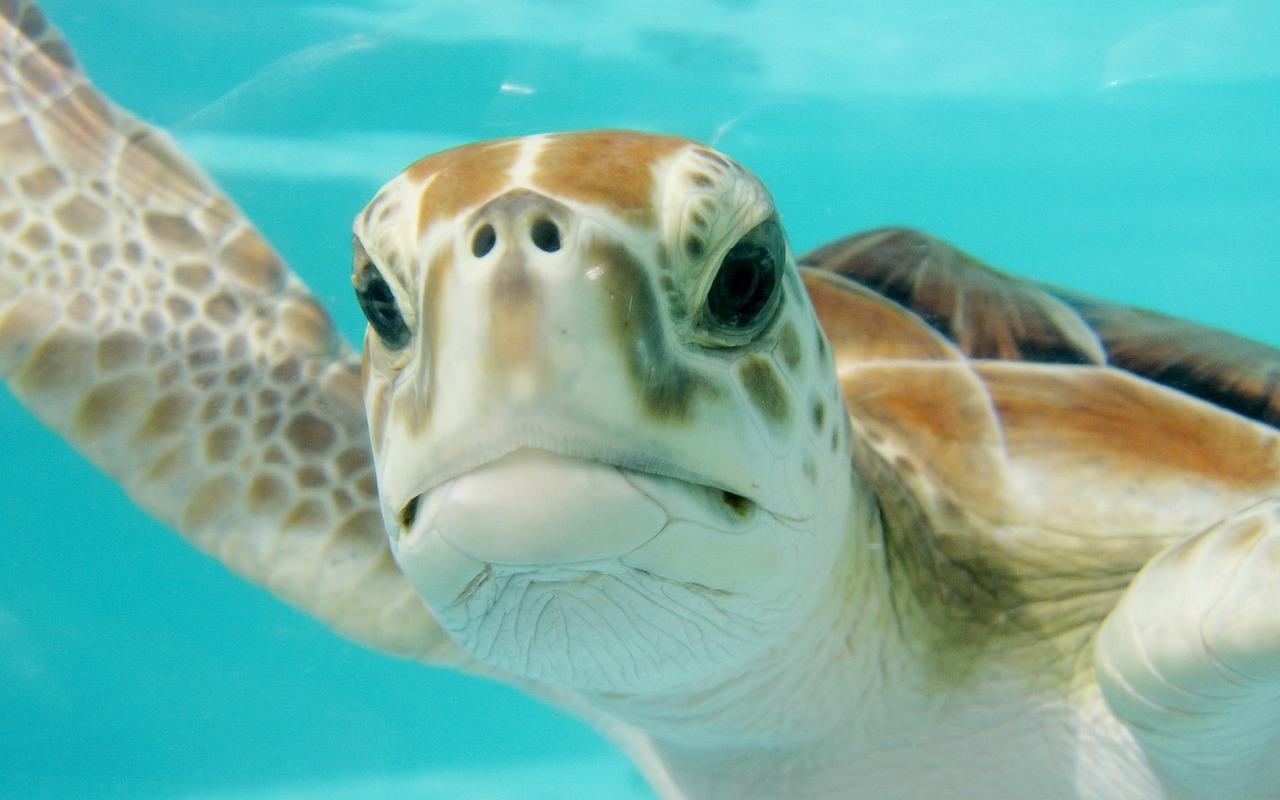
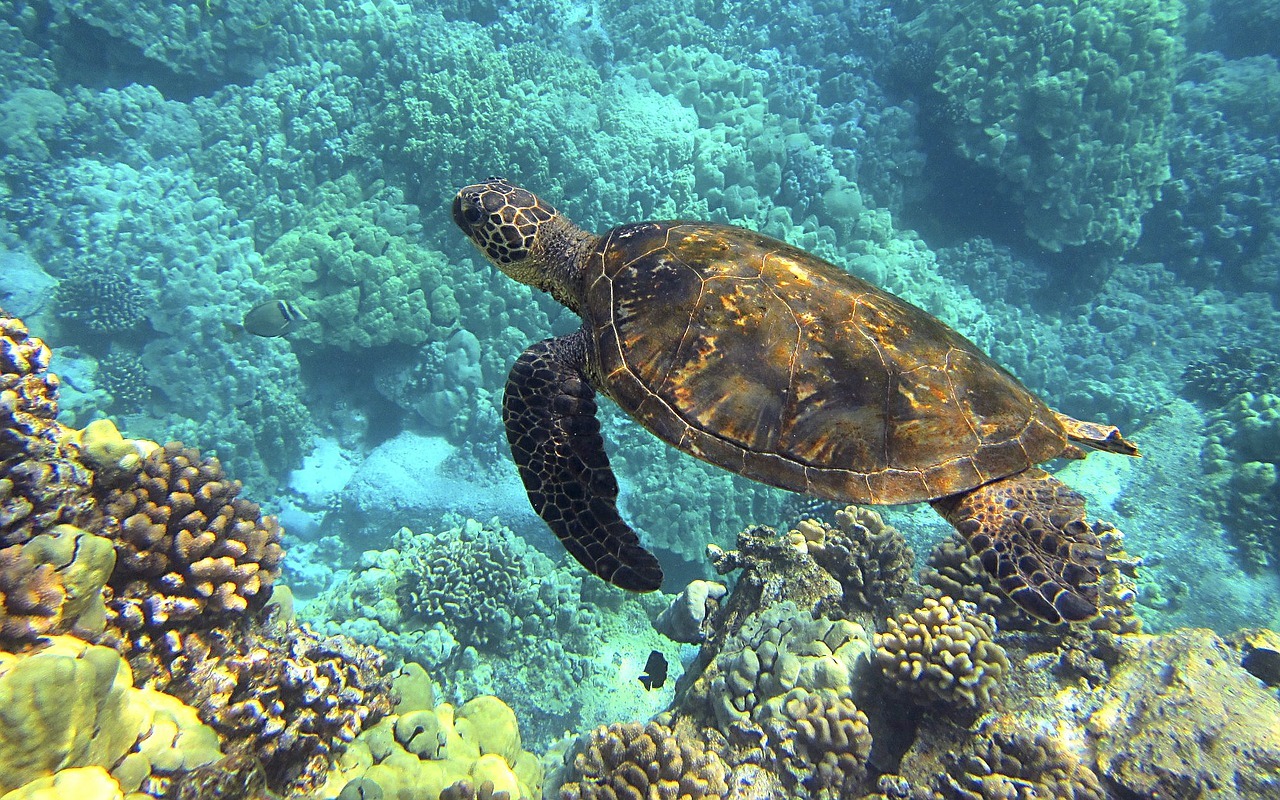
| This species name "depressa" is from Latin and means flat. This name refers to the flatness of the upper shell (carapace). Locally this turtle is called "Kikila" and is one of the seven hard-shelled species of sea turtle of the family Cheloniidae. This turtle has a yellow-grey or a green-grey colored oval shaped upper shell (carapace). The lower shell (plastron) is typically a pale yellow. There is a yellow band underneath and outlining the marginal scutes. Adults of this turtle may weigh as much as 198 pounds (90 kilograms) and measure 39 inches (100 centimeters) long. There is a single pair of prefrontal scales on the head. The carapace has four pairs of costal scutes. At one time, this turtle was considered a relative of the green sea turtle, but it was returned to it's own genus, Natator, by Limpus et al (1988) and Zangerl and Hendrickson (1988). The head is relatively larger than that of a comparable sized green turtle and is more triangular in shape. | |||||||||||||||
| Habitat and Distribution | |||||||||||||||
|
The flatback sea turtle inhabits coastal coral reefs and grassy shallows. It feeds primarily on sea cucumbers and crustaceans, and is found primarily in the northern coastal area of Australia and the Gulf of Papua, New Guinea.
|
|||||||||||||||
| General Information | |||||||||||||||
| According to Limpus et al (1988), the flatback nests up to 4 times per season at 13 to 18 day intervals. It lays an average of 50 eggs at a time, but these are comparatively quite large. As large, in fact, as those of the giant leatherback turtle. Because of the large size of the hatchlings, fewer are taken by small predators such as crabs or gulls. October to February is the nesting season in Queensland Northern Territory, but it may nest year-around in Northwestern Australia. | |||||||||||||||
| Current Threats and Historic Reasons for Decline | |||||||||||||||
| Because of the remoteness of some of it's nesting beaches, this species is not as critically endangered as many of the other species of sea turtles. | |||||||||||||||
|
|||||||||||||||
![]()
Another project by Web-Magik.com |
|||||||||||||||