|
Sea Turtles |
Sea
Turtle, Inc.
|
||||||||||||||
|
|||||||||||||||
|---|---|---|---|---|---|---|---|---|---|---|---|---|---|---|---|
| Description | |||||||||||||||
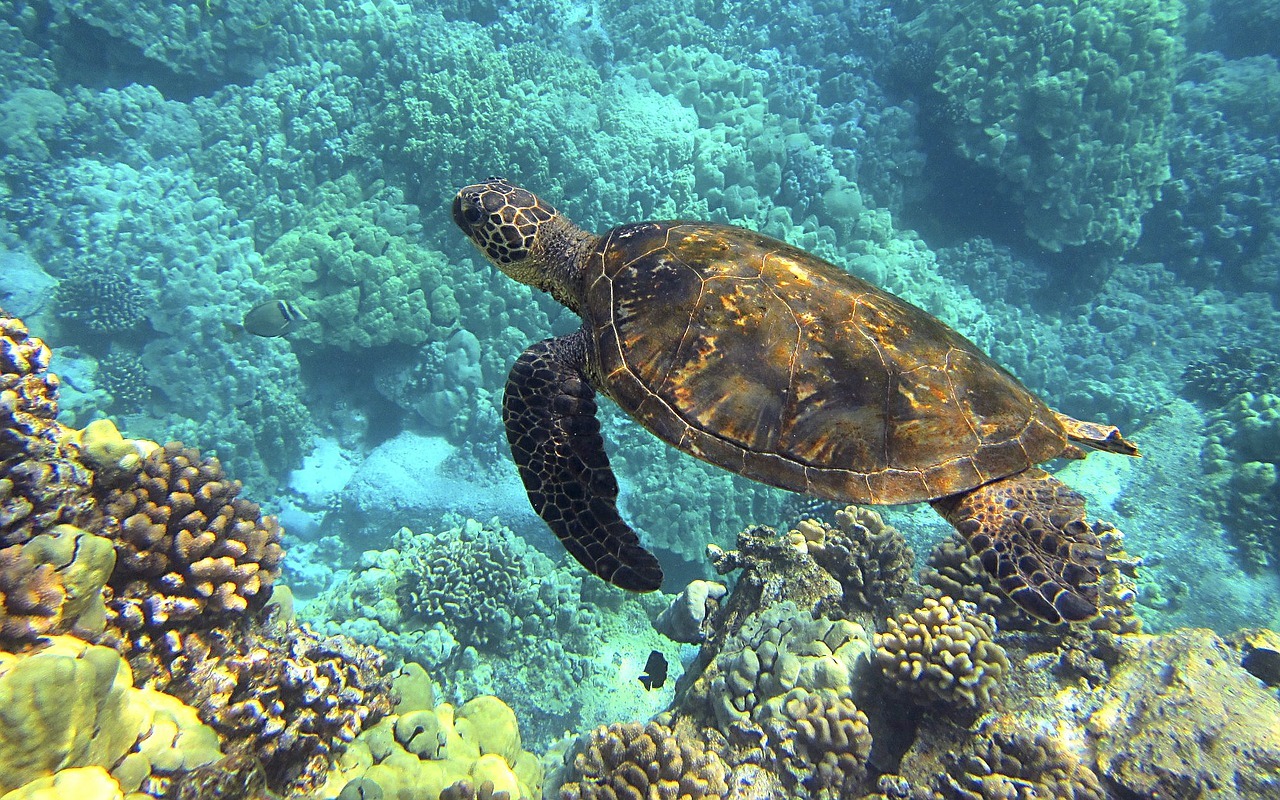
| According to Gotch (1988) this ridley was named after H.N Ridley FRS, who was on the island of Fernando de Noronha, and in Brazil in 1887. As both it's common and species names imply, the overall color of this turtle is olive green. Like its sister species, the Kemp's ridley, it is a small sea turtle, usually less than 100 pounds (45 kilograms). The most obvious difference between this turtle and the Kemp's ridley is the number of costal scutes of the upper shell. The olive ridley has from 5 to 9 costals and 7 vertebral scutes. Kemp's ridley has 5 costals, and 5 vertebrals. Not so long ago, these turtles were called the Pacific and Atlantic ridley respectively, but the discovery of Lepidochelys olivacea off of Atlantic coast of South America necessitated a name change. This is an omnivorous turtle which feeds on crustaceans, mollusks and tunicates. An average clutch size is over 110 eggs which require a 52 to 58 day incubation period. | |||||||||||||||
| Habitat and Distribution | |||||||||||||||
|
The olive ridley inhabits tropical and subtropical coastal bays and estuaries. It is very oceanic in the Eastern Pacific and probably elsewhere too. These animals are found in the Pacific and Indian Oceans, and along the Atlantic coast of West Africa and the Atlantic coast of South America. In the Eastern Pacific it occurs from Southern California, USA to Northern Chile. Large nesting aggregations called "arribadas" still occur in Pacific Costa Rica, primarily at Nancite and Ostionales and Pacific Mexico at La Escobilla, Oaxaca. According to the Marine Turtle Newsletter (October 1993), an estimated 500,000 nesting females came ashore during a single week in March, 1991 at Gahirmatha Orissa, India.
|
|||||||||||||||
| Current Threats and Historic Reasons for Decline | |||||||||||||||
|
The last large arribada beach in India is threatened with disaster by the development of major fishing port and a prawn culture facility. In fact, it threatens the entire Bhitarkanika Sanctuary in which the beach is located. On the Mexican Pacific Coast of the states of Jalisco, Michoacan, Guerrero and Oaxaca, past large scale exploitation for meat, eggs and leather reduced the once large arriabas to dangerously low levels. In June of 1990, Mexico declared total protection for this species as well as the other species of sea turtles inhabiting Mexican waters, but there is still a trade on the black market. In 1993, 350,000 nests were recorded in Escobilla, Oaxaca (Marquez, 1994, pers. comm.). Mexico has recently opened the Mexican Turtle Center at Mazunte, Oaxaca, near the site of a former turtle slaughter house. Hopefully, some of the same individuals who formerly killed turtles will be able to earn a living by protecting them and educating visitors about them. Despite Mexican initiatives to protect the olive ridley, this same population is still exploited in the black market in Mexico and harvested as it feeds along the Pacific coasts of Nicaragua and Ecuador. |
|||||||||||||||
|
|||||||||||||||
![]()
Another project by Web-Magik.com |
|||||||||||||||